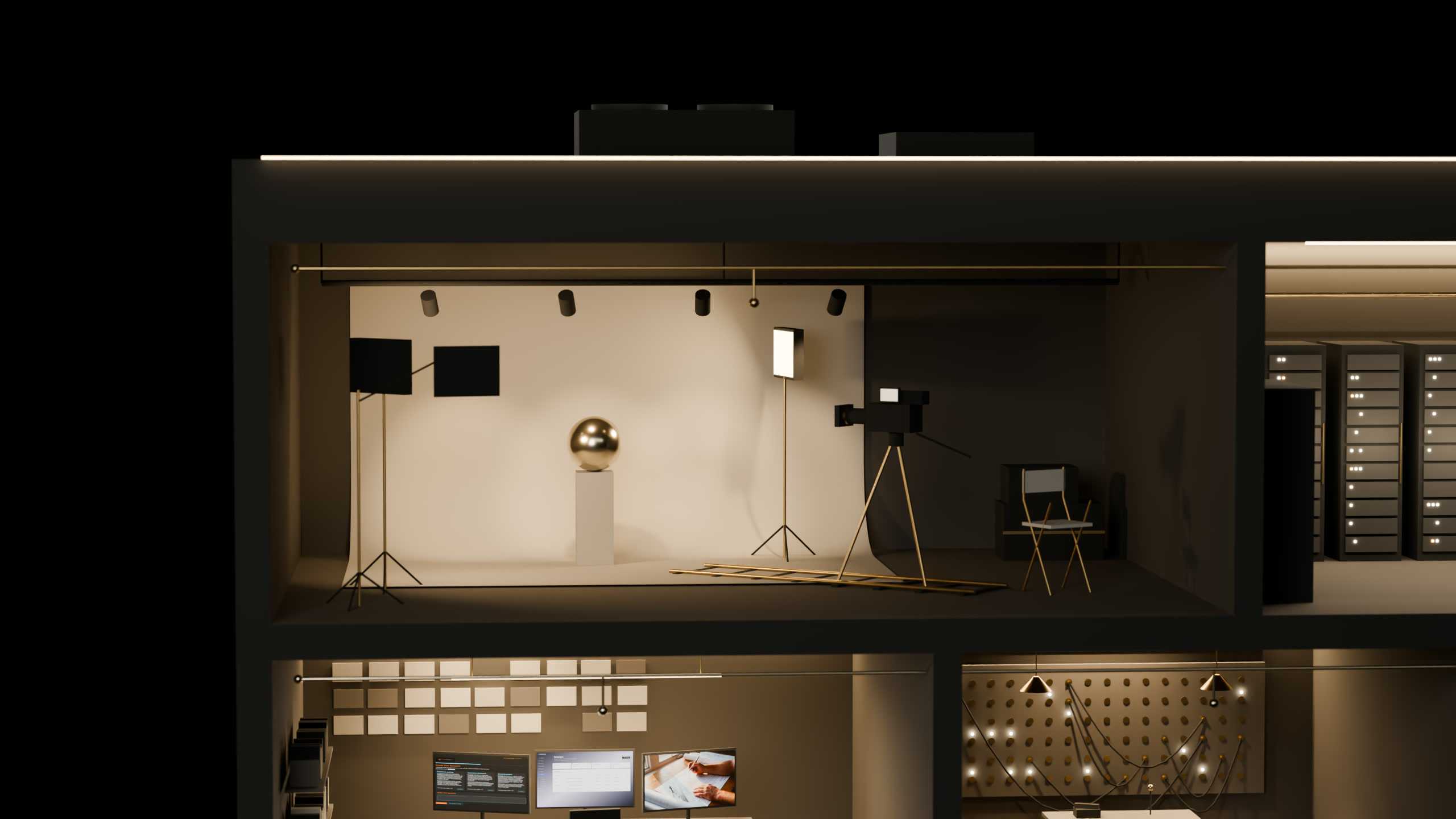
Level 3 · the film stage · Nano Banana Studio
A whole film production
in one workspace, built on
a paying client's film.
I built a complete AI film production system inside Claude Code and delivered a five-figure client film through it while I was building it.
- Result
- A five-figure client film delivered through a system I built at the same time, approved by the client for publication.
- My part
- I designed and built the system, and I directed and delivered the film.
- When
- System built in late 2025. HB Land film delivered in early 2026.
- Client
- HB Land, an Australian property developer.
- Built with
- Claude Code, my own MCP for Google's Nano Banana image model on Google Cloud Vertex AI, ElevenLabs, and my own remote browsing MCP for the AI video platforms.
The film
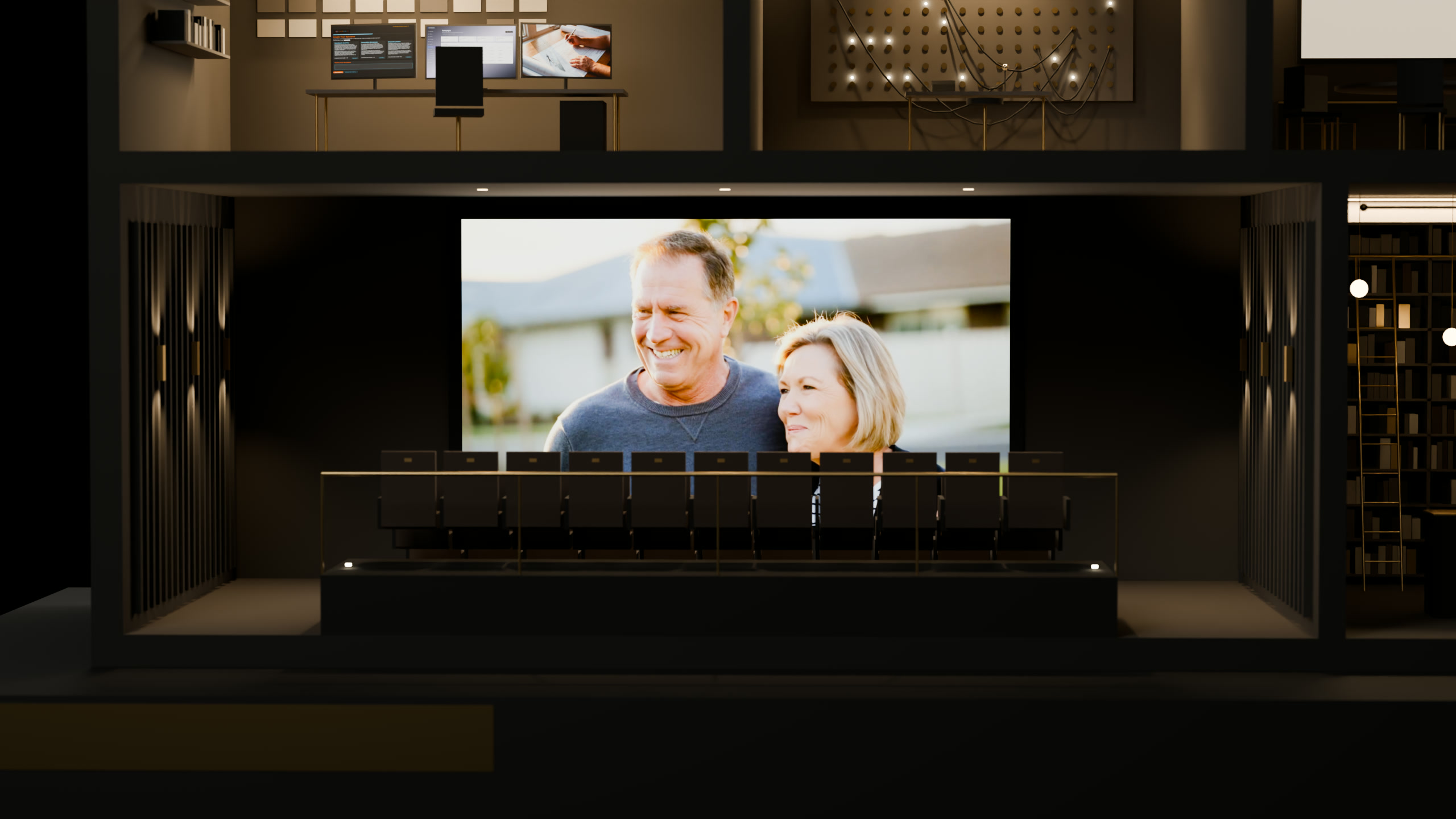
HB Land's campaign film, 67 seconds.
How AI film used to get made
Before this, working on an AI media project meant having ten different tabs open in Chrome, File Explorer open, and probably five different applications. The brief was in an email, the reference images were in folders, the prompts were in a chat window, and the images, video, voice and music each came from a different platform. Everything was messy and disorganised, and it was hard to keep track of anything because the work was spread across so many places.
I'd been making commercial AI films that way since 2023, and I always had it in the back of my head that there had to be an easier way.
The idea
In 2025, Claude Code was the tool that showed what an AI agent could really do. Everyone can talk to a model and see that it's good. Put that model inside the right workshop and its ability to do long, valuable work goes up significantly. At the time that workshop was really only being used for writing software. I recognised it had the potential to do far more than that, so I built a media production pipeline inside it. It's a text-only terminal, and I was making films in it.
What I built
One workspaceClaude Code
The client's brief and brand go in once
- Brief
- Materials and assets
- Logos
- Branding guidelines
- Email correspondence
- Synopsis
- Script
- Storyboard
Nine agents share them
- Showrunner
- Planner
- Designer
- Director
- Validator
- Animator
- Sound designer
- Editor
- Archivist
Each agent calls its tools directly
- My own MCP for Google's Nano Banana image model
- ElevenLabs
- My own remote browsing MCP for the AI video platforms
Nano Banana Studio brings a whole production into one workspace.
It takes in everything from the client: the brief, their materials and assets, logos, branding guidelines and email correspondence, and then each thing they approve, such as the synopsis, script, storyboard and duration.
It carries a knowledge base of everything I'd learned from making AI films: how to write the best possible prompt for each model, how to use reference images, what each tool does well. The models need that knowledge to produce work at a professional standard.
It runs as a virtual crew of nine specialised agents, split the way a real production splits its roles. A showrunner tracks the whole production. A planner turns the script into a shot list. A designer locks how every character, location and prop looks before anything is generated. A director generates the frames. A validator checks every frame for errors in physics, lighting and continuity, and fails anything that doesn't hold up. An animator turns approved frames into video. A sound designer handles voices, dialogue, score and effects. An editor sequences the shots, and an archivist keeps every file organised. Each agent has its own instructions and knowledge for its domain and for the specific tools it uses.
The tool connections are the core of why it worked. They run on MCP, the standard for connecting tools to AI models. I built a custom MCP for Google's Nano Banana image model through Google Cloud Vertex AI, so all the image generation happened inside the workspace. ElevenLabs was connected the same way for voices, dialogue and sound effects. I built a fully custom remote browsing tool, also as an MCP, so the agents could go to the AI video platforms, upload the reference images, put in the prompts and generate. It was fully end to end if I wanted it to be. When it was quicker, I ran the video generations myself with the prompts the pipeline had written.
Every shot keeps its own record of what's planned, generated, approved and next, so a production can stop at the end of the day and pick up exactly where it left off.
Built on a real job
I had a first version after a few days of work. Then HB Land's film came in: a paid, five-figure campaign film for an Australian property developer. I decided to build the system and the film at the same time, because the best way to build a system is to run the real work through it. You find out straight away what it does well and what it doesn't. Two weeks later it was fully running.
I took the film through it from the client's storyboard to the finished cut. I cast the voiceover there, generating 13 voice options for the client to choose from. I produced new scenes to match their storyboard frame by frame and sit alongside their existing footage. Their logo and brand colours were held exactly, and every round of client feedback was kept against the shot it applied to.
HB Land approved the film for publication, and the system went straight into the productions that followed.
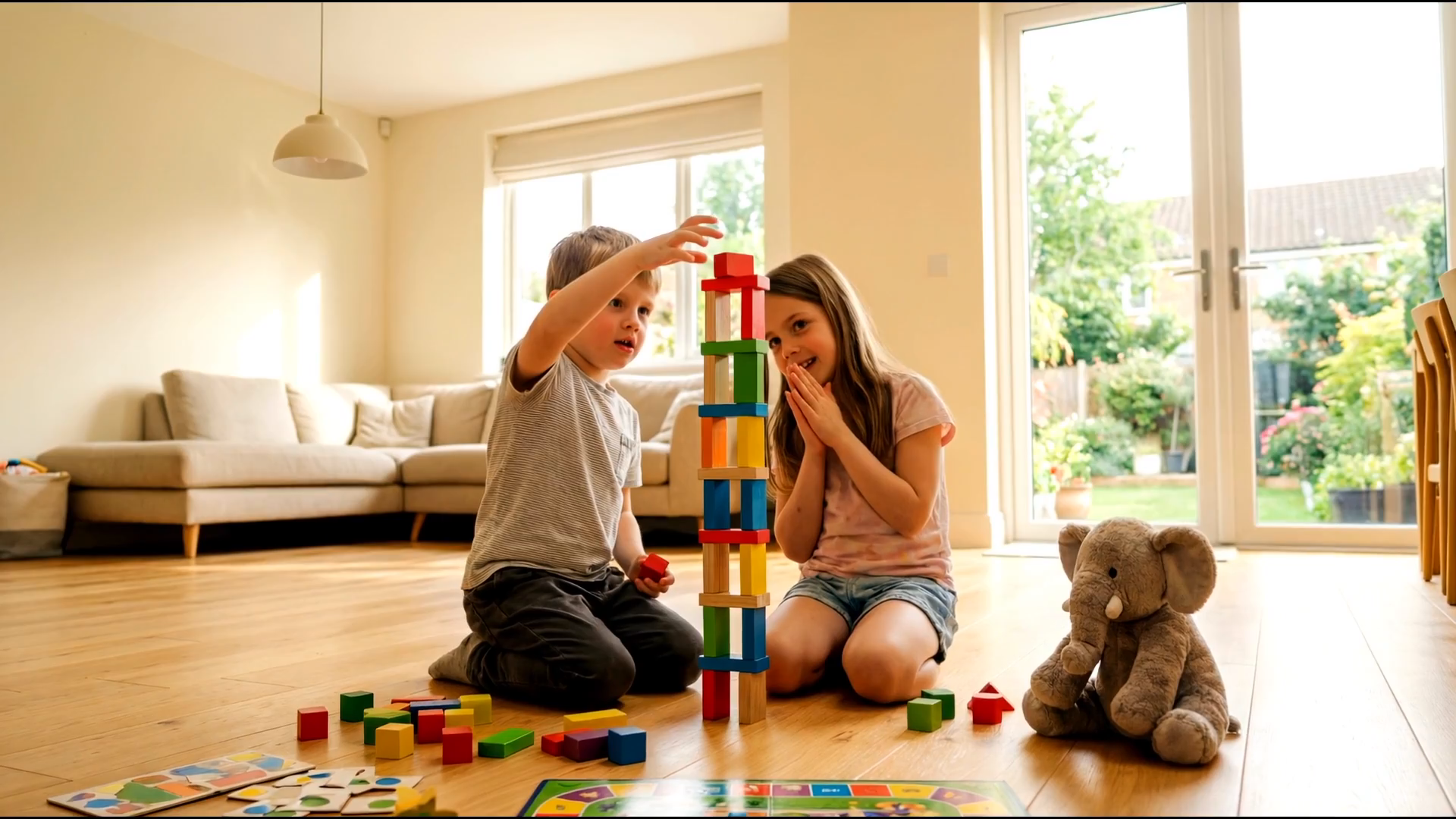
From the animation brief for this shot: keep the approved image exactly as it is, and say precisely what moves.
“Children's hands moving gently as they draw or build. A slight shift of a crayon or block. Natural breathing motion. Ambient light may drift subtly.”
Where the person stays
The system is designed to work with you. It handles everything except the part that needs human judgement: deciding whether a generated image, shot or piece of audio is actually good. I stayed the director throughout. Every creative decision and every final selection on the HB Land film was mine.
I'd do the same thing in any business. Find the process that's spread across ten tools and one person's memory, build a single system around it, and prove it on real work.